What Apps?
Navigating China can seem intimidating, but with a few apps, it is a breeze.

What Apps?
Navigating China can seem intimidating, but with a few apps, it is a breeze.
There is no way I can put together a meaningful list of all the apps that can help you navigate China. There are a couple that are essential, but beyond those, I can only tell you what I use. They seem to do the trick for me, but please leave comments if you know of others or are aware of any new releases, and I will update accordingly.
WeChat and Alipay, what is the difference?
In short, WeChat is an entire ecosystem built around a messaging app. It has mini-programmes embedded in it that allow you to book Didis (taxis), view menus and order food, send gifts, buy tickets for museums, tours, and other attractions. AliPay is more a tool for conducting financial transactions, although it is expanding all the time. With AliPay, you will still be able to do most of the things you need to do, such as ride-hailing, booking trains, and other public transport needs, as well as pay for everyday things.
It is worth downloading both. They are easy to sign up for using an international telephone number, and you can link all major credit and debit cards. Get signed up before you travel to China. WeChat demands that your account be confirmed by an existing user. This is an anti-spam device. But if you are registering from abroad, completing the process and linking your cards all at the same time, the system will sometimes sidestep this part. If that doesn’t work, ask at your hotel.
I use AliPay mostly and keep WeChat as a backup and for messaging. The messaging function of WeChat can instantly translate conversations. I’ve had some very enjoyable chats with complete strangers thanks to the app.
When downloading AliPay, make sure you download the main AliPay app, unless you are a Hong Kong resident, in which case download AliPayHK. The Hong Kong versions of both AliPay and WeChat behave a little differently. I’m sure most Hong Kong residents already know this, so there is no need to go into it here.
Octopus and MPass
These are used in Hong Kong and Macau respectively and not recognised elsewhere in China. They are both stored-value cards, although both have apps that can be linked to your credit card. Hong Kong’s Octopus is widely accepted in Hong Kong; the penetration of MPass in Macau is not so wide, but it is growing. Cash is still widely accepted in both cities, as are WeChat and AliPay.
AMap
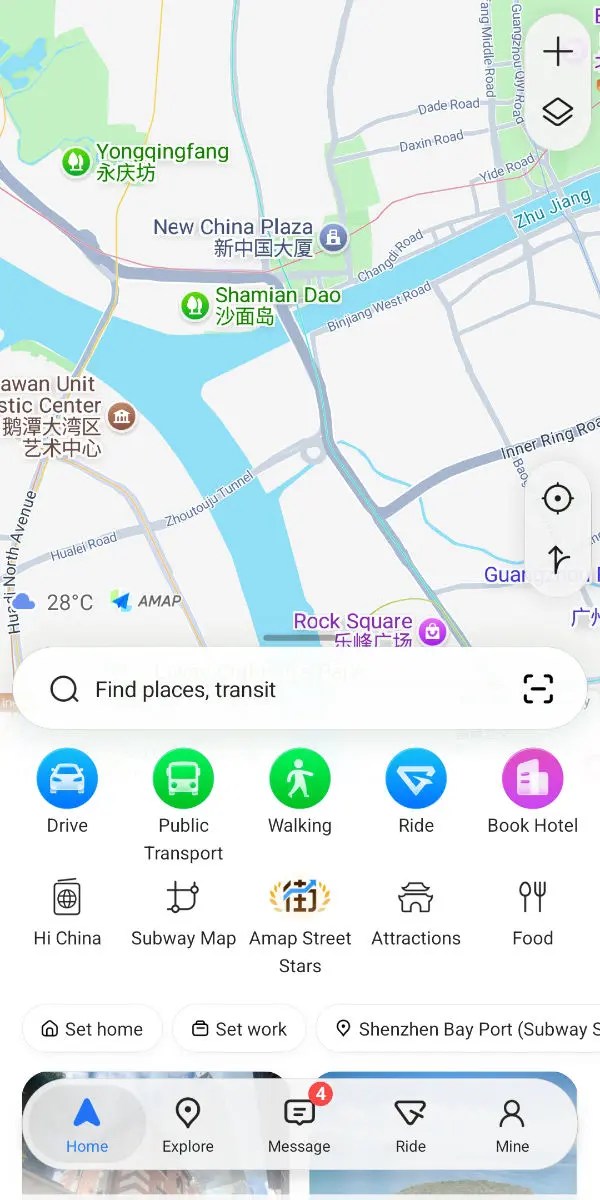
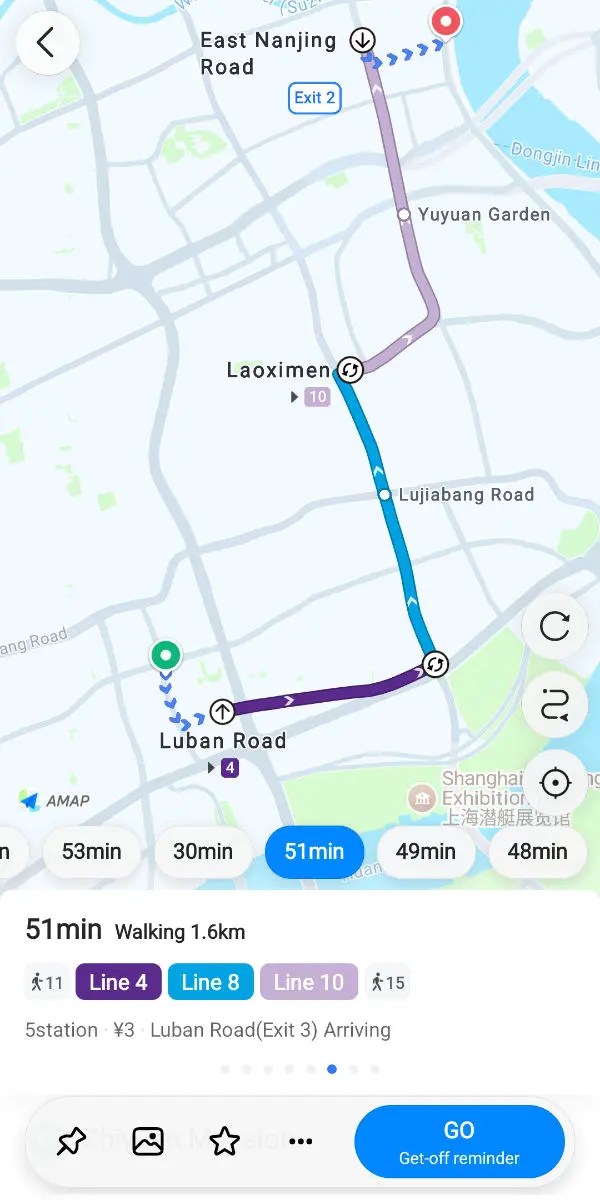
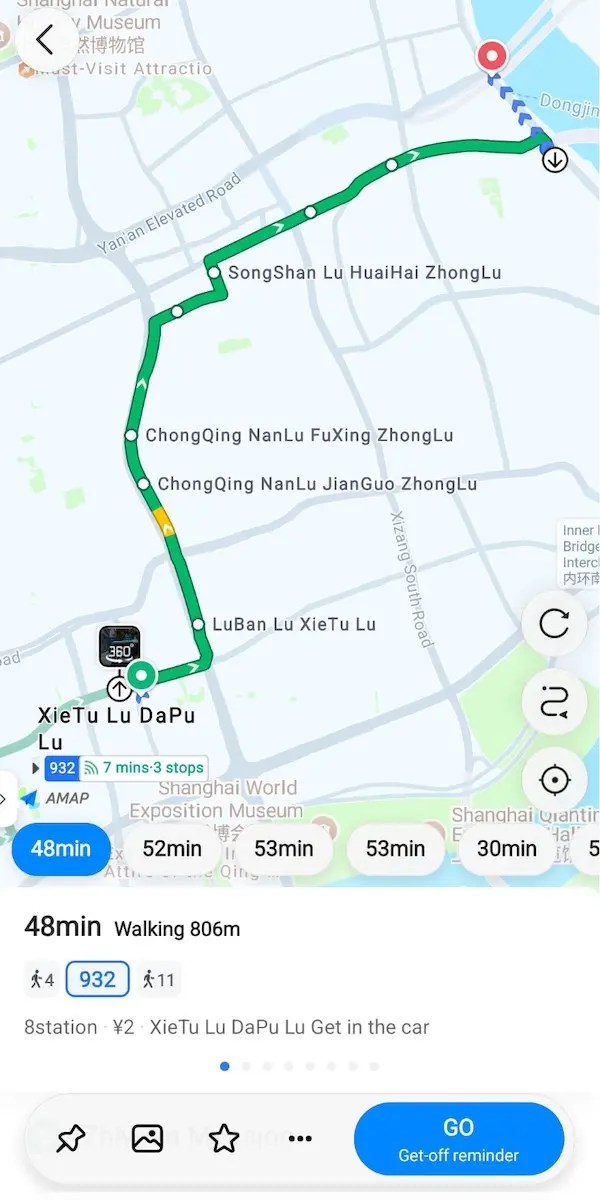
AMap give you some options with routes by metro or by bus
This is an all-in-one navigation tool. The location services in your phone will tell it where you are. All you need to do is tell it where you want to go, and it will work out several possible routes. Not only that, it will provide walking navigation to and from the nearest bus stop or metro station, it will tell you how much it is going to cost, approximately how long the journey will take, and how bad the traffic is likely to be along the way.
It will also provide walking routes for those who like to explore on foot, and if you are planning in advance you can tap the field that reads “My Location” and fill in any location of your choice.
AMap does include other functions such as ride hailing and hotel booking, but I still prefer to use the other apps for that.
MetroMan
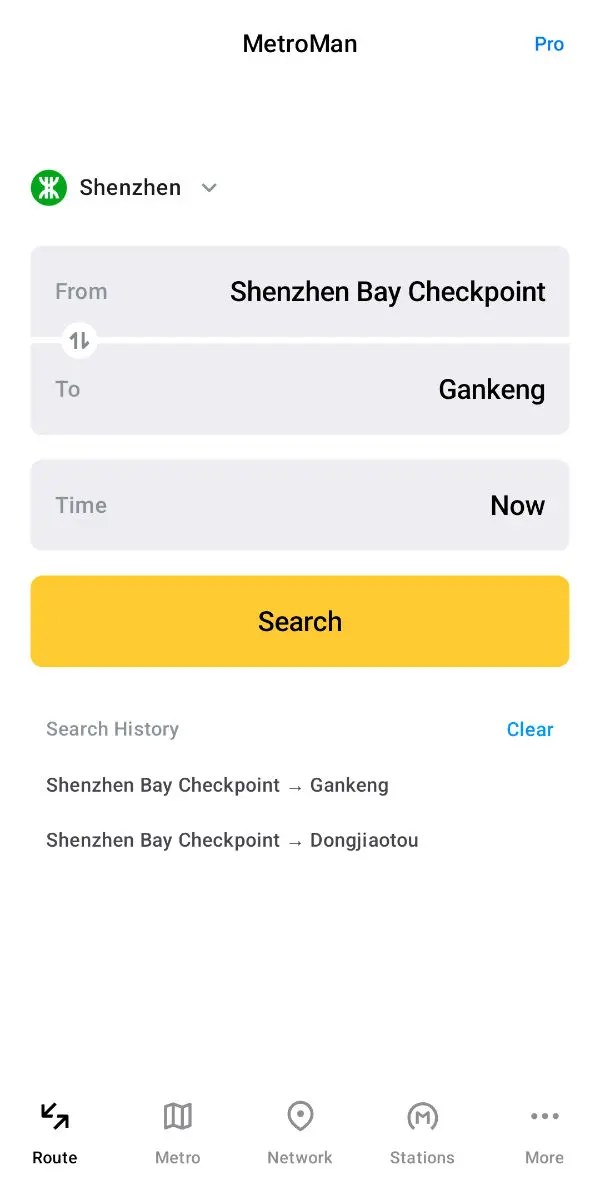
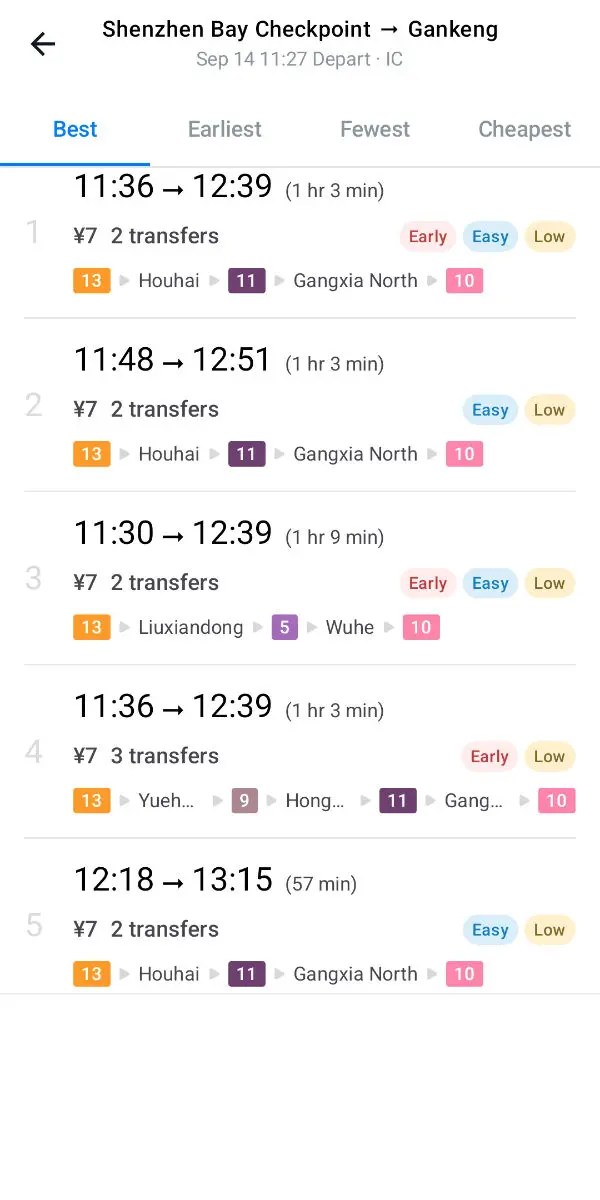
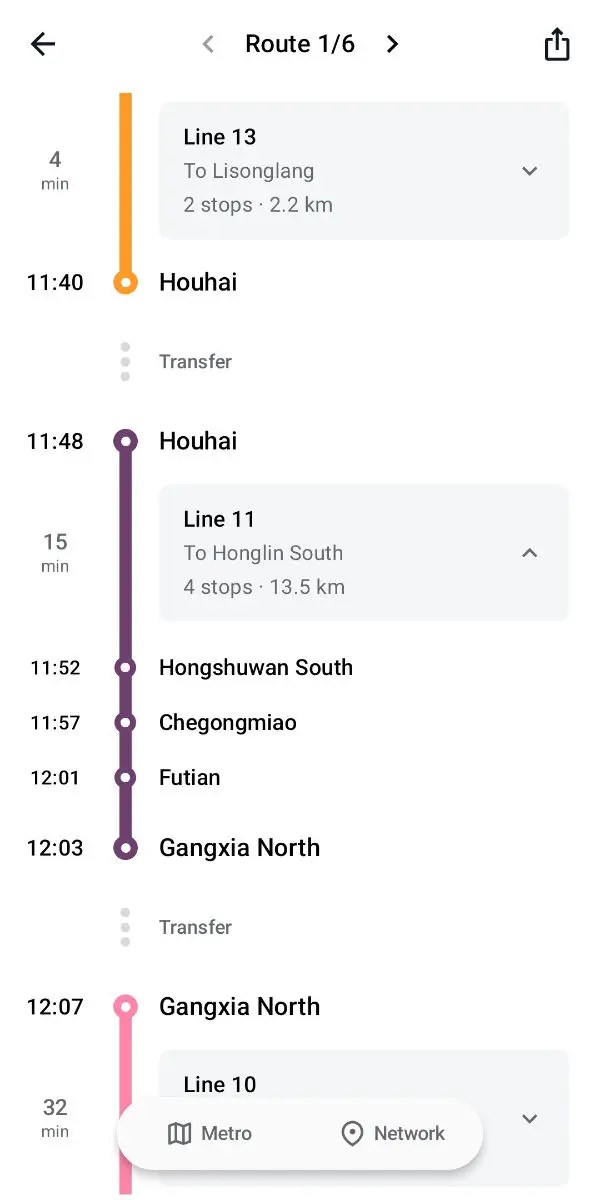
MetroMan gives includes maps and route finders for all the metro systems in China
As its name suggest this app is for navigating Metro systems. If you have ever glanced at Shenzhen’s metro map, you will understand why such an app is useful for untangling such a multicoloured spaghetti. Just load up the metro system of the city you are in, type in the name of the station you are at and the one you wish to go to, and the app will find the best route, plus several other options, and how long to expect your journey to take.
It can also show where on the subway map your two stations are. In truth, A Map can do all this as well, but when you are in the city, and you just need to get from one station to another quickly, Metro Man is much leaner.
Railway 12306
This is the official app for booking train tickets. There is also a mini app in WeChat. Alipay appears to link to Trip.com. I’ve never actually used the app to book, I just use it for information. Most of my journeys have been booked at the station or occasionally through Trip.

High-speed train in Zhongshan
Trip
The native English Trip interface, and no doubt any of its almost two dozen other languages, make it easy to navigate both the website and the app to book and pay for flights, hotels, and trains without needing to read or translate from Chinese. Trip.com is also available in Chinese
Train tickets in China only become available 14 days prior to departure. For popular and busy routes, Trip will try to reserve a ticket for you the moment they go on sale. However, there is no guarantee of success. The company adds a processing fee of between CN¥8 and CN¥35 (US$1.30-US$5) to the published train fare.
Trip can also provide e-sims from China Mobile (link below) that you can activate before you arrive, and will allow you to continue using Google, Facebook, and TikTok, etc. without the need for a VPN.
Disclaimer: I do include links to Trip. What this means is that if you enter the Trip platform through one of my links, I get a small commission on any purchase you make. Even if you entered the site looking for a hotel in Beijing and ended up booking a flight to Paris. This will make absolutely no difference to you, but it does help me.
Translation
There are dozens of translation apps; I can’t say I have tried many of them at all. Google Translate works well enough for most things, and the camera can translate signage and save the resulting English text, which I find very useful in museums where there are sometimes only Chinese descriptions.
Of voice translation apps, Talking Translator is probably the best I have found so far, but all of them struggle with an English East Midlands accent.
China Mobile eSIM from Trip.com
Related: Robo Shop